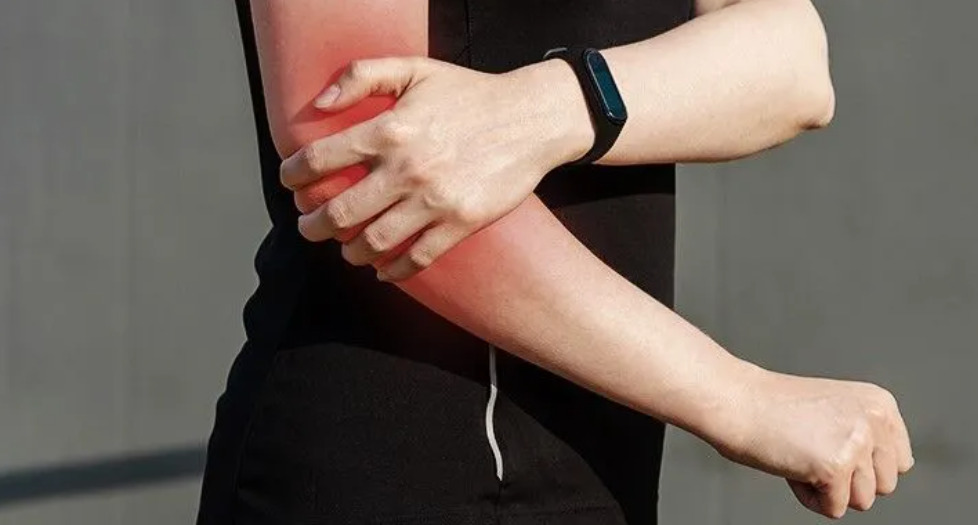
Elbow Conditions Treatment in Singapore

Living with elbow pain can significantly impact your daily activities, from lifting a cup to participating in sports or work. Our orthopaedic surgeon specialises in diagnosing and treating the full spectrum of elbow conditions, helping patients regain function and return to their normal activities.

doctor img
Dr Zackary Chua

MBBS (Aus) MMed (SG) MRCS (Glasgow) FRCSEd (Orth)

13 Elbow Conditions Treatment in Singapore

What are Elbow Conditions?

Elbow conditions encompass various disorders affecting the complex joint where your upper arm bone (humerus) meets the two forearm bones (radius and ulna). This joint allows both bending/straightening movements and rotation of the forearm. When any component—including bones, cartilage, ligaments, tendons, or surrounding tissues—becomes damaged or inflamed, it can result in pain, stiffness, and functional limitations. Elbow conditions affect people across all age groups in Singapore, with certain conditions being more prevalent among manual workers, athletes, and older adults.

Types of Elbow Conditions

Tennis Elbow (Lateral Epicondylitis)

Tennis elbow affects the outer elbow where forearm muscles attach to bone. This condition commonly occurs in people who perform repetitive gripping or wrist extension activities, not just tennis players. The condition involves tendon degeneration rather than pure inflammation.

Golfer’s Elbow (Medial Epicondylitis)

Golfer’s elbow affects the inner elbow where forearm flexor muscles attach. Like tennis elbow, it results from repetitive stress but affects different muscle groups. This condition is common among people performing repetitive wrist flexion or gripping activities.

Elbow Arthritis

Elbow arthritis can be osteoarthritis (wear-and-tear) or inflammatory arthritis like rheumatoid arthritis. Post-traumatic arthritis may develop years after an elbow fracture or dislocation. The condition leads to cartilage loss, joint stiffness, and bone spur formation.

Cubital Tunnel Syndrome

This condition involves ulnar nerve compression as it passes through the cubital tunnel on the inner elbow. It’s the second most common nerve compression syndrome after carpal tunnel syndrome and can cause numbness in the ring and little fingers.

Olecranon Bursitis

The bursa is a fluid-filled sac cushioning the bony elbow tip. When inflamed, it can swell dramatically, creating a golf ball-sized lump at the back of the elbow. This may result from trauma, repetitive pressure, infection, or inflammatory conditions.

Elbow Fractures and Dislocations

These acute injuries involve breaks in elbow bones or joint displacement. Common fractures include radial head and olecranon fractures. Dislocations often occur with associated fractures and ligament injuries.

Causes & Risk Factors

Causes

  • Repetitive stress: Repeated motions in sports, work, or hobbies straining elbow structures
  • Direct trauma: Falls onto outstretched hands or direct elbow blows
  • Degenerative changes: Natural wear-and-tear of joint cartilage and tendons with ageing
  • Inflammatory conditions: Autoimmune diseases causing joint inflammation
  • Infection: Bacterial infection of joint or bursa
  • Previous injuries: Old fractures or dislocations leading to post-traumatic changes

Risk Factors

  • Occupation: Jobs requiring repetitive arm movements (carpentry, plumbing, painting)
  • Sports participation: Tennis, golf, baseball, weightlifting, and throwing sports
  • Age: Most conditions increase in prevalence after age 40
  • Previous elbow injury: History of fractures, dislocations, or surgery
  • Medical conditions: Diabetes, rheumatoid arthritis, gout
  • Poor ergonomics: Improper workstation setup or activity technique
  • Sudden activity changes: Rapid activity increase without proper conditioning

Signs & Symptoms

Mild Symptoms

  • Pain during specific movements or activities
  • Mild tenderness when touching affected areas
  • Slight stiffness after inactivity
  • Weak grip strength during daily tasks
  • Occasional aching at rest
  • Minor swelling around elbow joint

Moderate Symptoms

  • Pain persisting after activity ends
  • Difficulty lifting everyday objects
  • Noticeable loss of elbow motion range
  • Night pain disrupting sleep
  • Visible swelling or warmth around elbow
  • Tingling or numbness in forearm or fingers
  • Clicking or catching sensation during movement


Severe Symptoms

  • Constant pain even at rest
  • Inability to straighten or bend elbow
  • Severe weakness preventing normal function
  • Obvious elbow joint deformity
  • Complete hand numbness
  • Signs of infection (fever, red streaking, severe swelling)

Symptoms typically develop gradually for overuse conditions but appear suddenly with acute injuries. Symptom pattern and location often help identify the specific condition.

Experiencing these symptoms?

Schedule a consultation with our orthopaedic surgeon for an accurate diagnosis and personalised treatment plan.

When to See a Doctor

Seek immediate medical attention if you experience severe elbow pain after a fall or impact, obvious elbow deformity, or inability to move the elbow. These symptoms may indicate fracture or dislocation requiring urgent care. Signs of infection such as fever, increasing redness, warmth, or red streaking require prompt evaluation.

Schedule a consultation for persistent elbow pain lasting more than a few days despite rest and home remedies. Other concerning symptoms include progressive weakness, hand numbness or tingling, swelling not improving with elevation and ice, or pain interfering with sleep or daily activities. Early intervention often leads to good outcomes and may prevent the need for more invasive treatments.

During your first consultation, our orthopaedic surgeon will conduct thorough evaluation including medical history, physical examination, and necessary imaging studies. This comprehensive assessment ensures accurate diagnosis and appropriate treatment planning tailored to your specific condition and lifestyle needs.

Diagnosis & Testing Methods

Physical examination forms the foundation of elbow condition diagnosis. Our orthopaedic surgeon assesses your elbow’s range of motion, stability, and strength while performing specific tests to reproduce symptoms. These tests help identify affected structures and guide further investigation.

X-rays provide clear bone structure images and can reveal fractures, arthritis, loose bodies, or bone spurs. While X-rays don’t show soft tissues directly, they remain first-line imaging for most elbow conditions. Images are taken from multiple angles for comprehensive evaluation.

MRI offers detailed visualisation of soft tissues including tendons, ligaments, cartilage, and nerves. This non-invasive scan helps diagnose tendon tears, ligament injuries, or early arthritis not visible on X-rays. MRI is particularly useful for complex cases or when initial treatment hasn’t provided expected improvement.

Ultrasound examination allows real-time tendon movement assessment and can identify fluid collections or tendon abnormalities. Nerve conduction studies and electromyography may be ordered when nerve compression is suspected, measuring electrical activity to confirm conditions like cubital tunnel syndrome.

Treatment Options Overview

Conservative Management

Physical therapy forms the cornerstone of treatment for most elbow conditions. Our physiotherapists design specific exercise programmes to improve flexibility, strengthen supporting muscles, and correct movement patterns contributing to symptoms. Manual therapy techniques help restore normal joint mechanics while modalities like ultrasound or shockwave therapy promote tissue healing.

Activity Modification

Identifying and modifying activities aggravating your condition is crucial for recovery. This may involve ergonomic adjustments at work, technique corrections in sports, or temporary activity restrictions. Our team provides practical strategies to maintain function while allowing healing.

Bracing and Support

Various elbow braces and supports can offload stressed tissues and provide stability during healing. Counterforce braces for tennis elbow, elbow sleeves for arthritis, or night splints for cubital tunnel syndrome each serve specific purposes. Proper fitting and usage ensure maximum benefit.

Injection Therapies

Corticosteroid injections can provide significant relief for inflammatory conditions when conservative measures haven’t sufficiently improved symptoms. These injections deliver anti-inflammatory medication directly to affected areas. Effects typically last several weeks to months, providing a window for rehabilitation.

Platelet-Rich Plasma (PRP)

PRP therapy uses concentrated platelets from your blood to stimulate healing in damaged tendons. This regenerative treatment may benefit chronic tendon conditions not responding to traditional therapies. The procedure involves blood draw, processing, and injection under ultrasound guidance.

Hyaluronic Acid Injections

For elbow arthritis, hyaluronic acid injections can improve joint lubrication and reduce inflammation. These viscosupplementation injections may provide several months of symptom relief and can be repeated if beneficial.

Arthroscopic Surgery

Minimally invasive arthroscopic procedures allow treatment of various elbow conditions through small incisions. Common procedures include removal of loose bodies, debridement of damaged tissue, or scar tissue release. Recovery is typically faster than traditional open surgery.

Open Surgical Procedures

Some conditions require traditional open surgery for treatment. This includes fracture fixation, ligament reconstruction, total elbow replacement for severe arthritis, or nerve decompression procedures. Our orthopaedic surgeon will discuss the specific surgical approach based on your condition.

Every patient’s condition is unique.

Our orthopaedic surgeon will assess your specific situation and recommend the most suitable treatment approach for you.

Complications if Left Untreated

Untreated elbow conditions often progress, leading to chronic pain that becomes increasingly difficult to manage. Persistent inflammation and mechanical stress can cause permanent damage to joint structures, including cartilage loss and tendon degeneration. This deterioration may limit treatment options and compromise outcomes.

Chronic elbow problems result in compensatory movement patterns as you protect the painful joint. These altered mechanics can lead to secondary problems in shoulder, wrist, or neck. Prolonged nerve compression from conditions like cubital tunnel syndrome may cause permanent nerve damage with irreversible numbness and muscle weakness.

The impact extends beyond physical symptoms. Chronic elbow pain affects work productivity, limits recreational activities, and diminishes quality of life. Sleep disruption from night pain contributes to fatigue and mood changes. Early intervention helps prevent these cascading effects and maintains good long-term function.

Prevention

Proper technique in sports and work activities reduces elbow injury risk. This includes using appropriate equipment, maintaining good posture, and avoiding excessive force or repetitive motions. Regular breaks during repetitive activities allow tissue recovery and prevent overuse injuries.

Strengthening exercises for forearm and upper arm muscles provide joint support. A balanced programme should include strengthening and flexibility work. Gradual activity progression allows tissues to adapt without becoming overstressed.

Ergonomic workplace modifications can prevent many elbow conditions. This includes adjusting desk height, using ergonomic tools, and positioning frequently used items within easy reach. For athletes, proper warm-up routines and technique coaching help prevent acute injuries and overuse problems.

Frequently Asked Questions

How long does a tennis elbow typically take to heal?

Tennis elbow recovery varies between individuals, typically ranging from 6 months to 2 years. Most patients experience improvement within 3-6 months of starting treatment. Factors affecting healing include condition severity, adherence to treatment protocols, and whether aggravating activities can be modified. Conservative treatment succeeds in approximately 80-90% of cases, though patience is required as tendon healing is naturally slow.


Can shoulder conditions heal without surgery?

Many shoulder conditions respond well to conservative treatment without requiring surgery. Studies show that 80-90% of patients with shoulder impingement, mild rotator cuff tears, and early frozen shoulder improve with non-surgical treatment including physical therapy, activity modification, and sometimes injections. Certain conditions like complete rotator cuff tears in active individuals or recurrent shoulder dislocations may require surgical intervention for optimal outcomes.

Can I continue playing sports with a golfer’s elbow?

Continuing sports with golfer’s elbow depends on symptom severity and specific sport. Complete rest isn’t always necessary, but activity modification is crucial. You may need to reduce play intensity, frequency, or duration while undergoing treatment. Using proper technique, appropriate equipment, and following structured rehabilitation often allows gradual return to sports. Our orthopaedic surgeon can provide specific guidance based on your condition and sporting demands.

What’s the difference between a tennis elbow and a golfer’s elbow?

Tennis elbow affects the outer (lateral) elbow where extensor tendons attach, causing pain during gripping and wrist extension. Golfer’s elbow affects the inner (medial) side where flexor tendons attach, causing pain during gripping and wrist flexion. Both conditions can occur in non-athletes from any repetitive arm activity. Treatment approaches are similar, though specific exercises and activity modifications differ based on affected tendon group.

When is surgery necessary for cubital tunnel syndrome?

Surgery for cubital tunnel syndrome is considered when conservative treatments fail to improve symptoms after 3-6 months, or with evidence of significant nerve damage such as muscle weakness or constant numbness. Surgical options include simple decompression or nerve transposition, depending on compression severity and anatomy. Early surgical intervention may be recommended if nerve conduction studies show severe compression, as prolonged pressure can cause permanent nerve damage.

Are elbow injections painful?

Elbow injections cause brief discomfort during the procedure, typically lasting seconds. The injection site may be numbed with local anaesthetic to minimise pain. Post-injection soreness is common for 24-48 hours but manageable with ice and simple pain medication. The temporary discomfort is generally worth the potential benefits, with many patients experiencing significant symptom relief lasting weeks to months after corticosteroid injections.

Can elbow arthritis be prevented?

While age-related arthritis cannot be completely prevented, several strategies can reduce risk or slow progression. Maintaining healthy weight reduces joint stress, while regular exercise keeps joints flexible and muscles strong. Protecting elbows from injury through proper technique in sports and work helps prevent post-traumatic arthritis. Early treatment of elbow injuries ensures proper healing and may reduce future arthritis risk. For those with a family history of arthritis, proactive joint care becomes more important.

Conclusion

Elbow conditions don’t have to limit your life. From overuse injuries like tennis elbow to complex conditions like arthritis or nerve compression, effective treatments address your specific needs. Early diagnosis and appropriate treatment improve outcomes, often allowing full return to enjoyable activities. Our comprehensive approach combines accurate diagnosis with evidence-based treatments tailored to your condition, lifestyle, and goals.

Take the First Step Towards Better Health

Living with shoulder pain can be challenging, but you don’t have to face it alone. Our orthopaedic surgeon has years of experience diagnosing and treating shoulder conditions using established evidence-based approaches.

Dr Zackary Chua 1

Dr Zackary Chua (蔡克祥医生)

MBBS (AUS)|MMed (Singapore)|MRCS (Glasgow)|FRCSEd (Orth)

A senior consultant orthopaedic surgeon with dual specialisations in Foot & Ankle Surgery and Paediatric Orthopaedics. Backed by his extensive years of training and experience, Dr Chua brings the necessary knowledge and skills to ensure a smooth recovery journey.

Rooted firmly by two fundamental philosophies: “When one’s feet hurt, one hurts all over” and “Children are not little adults”, Dr Chua’s approach to patient care reflects his compassionate care for adults and children.

  • Singhealth Quality Excellence Award – Silver (2011)
  • Service From the Heart Award (2021)
  • Singapore Health Quality Service Award – Gold (2023)
  • NUS Medicine Dean’s Award for Teaching Excellence (2023)

His active participation in the medical community extends to mentoring, research supervision, and contributions to key professional forums and symposiums, both locally and internationally.

Your Treatment Roadmap

Registration

Our friendly clinical staff will assist you with your registration, ensuring an efficient and hassle-free process for you.

Specialist Consultation

During your consultation, we will evaluate your medical history and the pain you are experiencing. You may also ask questions about your condition.

Diagnosis Of Your Condition

We will likely perform some form of diagnostic imaging (e.g. X-Rays, MRI) to assess your condition accurately.

individualised Treatment Plan

After imaging, we will review the results of your scans thoroughly, and advise an individualised treatment plan for you.

Follow-Up Visits

As you go through your treatment plan, we will follow up with you every step of the way, ensuring that you receive the dedicated care you deserve.

Billing & Insurance

Integrated Shield Plans & Corporate Insurance

For Singaporeans, Singapore Permanent Residents and Foreigners.
Please speak to our friendly clinic staff about using your insurance plans.

Make An Enquiry

Got a Question? Fill up the form and we will get back to you shortly.

    Full Name*

    Email Address*

    Phone Number*

    Your Message*

    For Faster Response, Call us!

    +65‎ 6956‎ 6588


    Our Locations

    Mount Elizabeth Novena Specialist Centre
    38 Irrawaddy Road, #05-36, Singapore 329563

    +65 6956 6588 (Clinic)
    +65 8877 3318 (Whatsapp)
    Monday – Friday: 9am – 5pm
    Saturday: 9am – 12:30pm
    Sunday & PH: Closed
    (Parkway East Clinic is on appointment basis)

    Parkway East Medical Centre
    319 Joo Chiat Place, #03-06, Singapore 427989

    +65 6956 6588 (Clinic)
    +65 8877 3318 (Whatsapp)
    Monday – Friday: 9am – 5pm
    Saturday: 9am – 12:30pm
    Sunday & PH: Closed
    (Parkway East Clinic is on appointment basis)