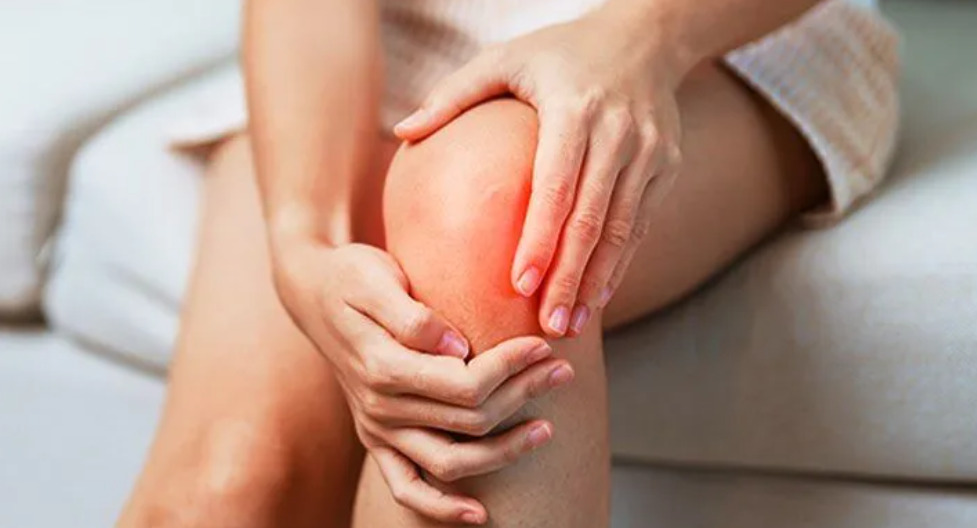
Knee Conditions Treatment
In Singapore

Knee pain can significantly impact your daily activities, from climbing stairs to enjoying sports. Whether you’re experiencing persistent aching, sharp pain, or difficulty with movement, understanding your knee condition is the first step toward effective treatment. Our orthopaedic surgeon provides comprehensive evaluation and evidence-based treatment for all knee conditions, helping patients return to active lifestyles.

doctor img
Dr Zackary Chua

MBBS (Aus) MMed (SG) MRCS (Glasgow) FRCSEd (Orth)

16  Knee Conditions Treatment in Singapore

What are Knee Conditions?

Knee conditions encompass disorders affecting the knee joint structure, including bones, cartilage, ligaments, tendons, and surrounding tissues. The knee is your body’s largest joint and bears significant weight during daily activities, making it vulnerable to injury, wear and tear, and various medical conditions. In Singapore, knee problems affect approximately 19% of adults, with prevalence increasing with age and activity levels.

Types of Knee Conditions

Degenerative Conditions

Osteoarthritis is the most common knee condition, occurring when protective cartilage wears down over time. This leads to bone-on-bone contact, causing pain, stiffness, and reduced mobility. The condition develops slowly over years and primarily affects older adults.

Inflammatory Conditions

Rheumatoid arthritis and other inflammatory arthropathies affect the knee through autoimmune processes. These conditions cause joint lining inflammation, leading to pain, swelling, and eventual joint damage if untreated.

Traumatic Injuries

Ligament tears (ACL, PCL, MCL, LCL), meniscus tears, and fractures result from sports injuries or accidents. These acute injuries cause immediate pain and functional limitations requiring prompt medical attention.

Overuse Conditions

Runner’s knee (patellofemoral pain syndrome), jumper’s knee (patellar tendonitis), and IT band syndrome develop from repetitive stress. These conditions are common among athletes and active individuals in high-impact activities.

Causes & Risk Factors

Causes

  • Age-related wear and tear leading to cartilage breakdown
  • Direct trauma from falls, accidents, or sports impacts
  • Repetitive stress from occupational or recreational activities
  • Genetic predisposition to arthritic conditions
  • Previous knee injuries creating long-term vulnerabilities
  • Biomechanical abnormalities affecting joint alignment

Risk Factors

  • Age over 50
  • Excess body weight placing stress on knees
  • Previous knee injuries or surgeries
  • High-impact sports or activities
  • Occupations requiring frequent kneeling or squatting
  • Family history of arthritis or joint problems
  • Muscle weakness or imbalances around the knee
  • Poor flexibility and inadequate warm-up before activities

Signs & Symptoms

Mild Symptoms

  • Occasional knee pain after prolonged activity
  • Morning stiffness lasting less than 30 minutes
  • Mild swelling after exercise
  • Slight clicking or grinding sensations
  • Minor difficulty with stairs or slopes
  • Discomfort when sitting for extended periods

Moderate Symptoms

  • Persistent pain affecting daily activities
  • Noticeable swelling and warmth around the joint
  • Reduced range of motion
  • Difficulty bearing full weight on the affected knee
  • Pain interrupting sleep
  • Visible deformity or knee instability
  • Regular need for pain medication

Severe Symptoms

  • Constant pain even at rest
  • Significant swelling and joint deformity
  • Complete inability to bear weight
  • Knee giving way or buckling frequently
  • Severe walking limitations
  • Signs of infection (fever, red hot joint)

Symptom progression varies depending on the underlying condition. Degenerative conditions worsen gradually over months to years, while traumatic injuries cause immediate symptoms that may improve with proper treatment.

Experiencing these symptoms? Don’t wait for them to worsen.

Schedule a consultation with our orthopaedic surgeon for an accurate diagnosis and personalised treatment plan.

When to See a Doctor

Seek immediate medical attention if you experience sudden severe pain following injury, inability to bear weight, obvious deformity, or signs of infection such as fever with a hot, red joint. These symptoms may indicate serious conditions requiring urgent treatment.

Schedule a consultation if you notice persistent pain lasting more than a few days, recurring swelling, progressive difficulty with daily activities, or knee instability. Early intervention leads to better outcomes and may prevent the need for invasive treatments.

During your first consultation, our orthopaedic surgeon will conduct a thorough physical examination, review medical history, and discuss symptoms. Imaging studies may be ordered to determine the exact nature and extent of your knee condition.

Diagnosis & Testing Methods

Physical examination forms the foundation of knee condition diagnosis. Our orthopaedic surgeon assesses knee range of motion, stability, strength, and areas of tenderness. Special tests help identify specific ligament or meniscus injuries.

X-rays provide clear images of bone structures and reveal arthritis, fractures, or alignment issues. These are typically first imaging studies performed and show joint space narrowing, bone spurs, and degenerative changes.

MRI offers detailed views of soft tissues including cartilage, ligaments, tendons, and menisci. This non-invasive scan helps diagnose tears, inflammation, and soft tissue pathologies not visible on X-rays.

Additional tests such as CT scans, bone scans, or arthroscopy may be recommended for complex cases. Blood tests help diagnose inflammatory conditions like rheumatoid arthritis. Results are available within days, allowing prompt treatment planning.

Treatment Options Overview

Conservative Management

Physical therapy strengthens muscles around the knee, improves flexibility, and corrects movement patterns. Our orthopaedic surgeon works with physiotherapists to develop customised rehabilitation programmes addressing your specific condition and goals.

Injection Therapies

Corticosteroid injections provide anti-inflammatory effects, offering relief from arthritis flares and inflammatory conditions. These injections reduce pain and swelling for weeks to months, allowing patients to participate in physical therapy.

Viscosupplementation

Hyaluronic acid injections act as lubricant and shock absorber in arthritic knees. This treatment involves injection series that may provide pain relief for months, particularly beneficial for patients with mild to moderate osteoarthritis.

Platelet-Rich Plasma (PRP)

PRP therapy uses concentrated platelets from your blood to promote healing in damaged tissues. This regenerative treatment shows promise for knee conditions including tendonitis and mild arthritis, though results vary.

Arthroscopic Procedures

Minimally invasive arthroscopy allows diagnosis and treatment through small incisions. Common procedures include meniscus repair or removal, loose body removal, and cartilage smoothing. Recovery is faster than traditional open surgery.

Joint Preservation Techniques

Osteotomy surgery realigns bones to shift weight from damaged areas, potentially delaying joint replacement. Cartilage restoration procedures like microfracture or cartilage transplantation may benefit younger patients with isolated cartilage defects.

Joint Replacement

Total or partial knee replacement becomes necessary when conservative treatments no longer provide relief. Modern implants and surgical techniques offer positive outcomes, with patients experiencing pain relief and improved function.

Rehabilitation Protocols

Post-treatment rehabilitation is crucial for outcomes. Structured programmes include progressive exercises, activity modification guidance, and regular monitoring to ensure recovery and prevent future problems.

Every patient’s condition is unique.

Our orthopaedic surgeon will assess your specific situation and recommend the most suitable treatment approach for you.

Complications if Left Untreated

Untreated knee conditions progress, leading to chronic pain impacting quality of life. Activities like walking, climbing stairs, or rising from chairs become increasingly difficult and painful.

Progressive joint damage occurs when conditions remain unaddressed. Cartilage loss accelerates, bones develop cysts or spurs, and joint space narrows. This deterioration becomes irreversible, limiting future treatment options.

Compensatory problems develop as patients alter gait to avoid knee pain. This leads to hip, back, or ankle problems, creating musculoskeletal issues. Muscle weakness and atrophy around the affected knee compromise joint stability and function.

Long-term mobility limitations result in decreased independence, reduced activity participation, and increased health risks associated with sedentary lifestyles.

Prevention

Maintaining healthy weight reduces knee joint stress—every kilogram lost results in four kilograms less pressure on knees during walking. Regular low-impact exercise like swimming or cycling keeps joints mobile while building muscle strength.

Proper warm-up and cool-down routines before and after activities help prevent injuries. Include dynamic stretching before exercise and static stretching afterward to maintain flexibility and reduce injury risk.

Appropriate footwear with support and cushioning maintains proper alignment and reduces impact forces. Replace worn shoes regularly if active in sports or exercise.

Strength training focusing on quadriceps, hamstrings, and hip muscles provides joint support. Balance exercises reduce fall risk and improve proprioception, preventing traumatic injuries. Modify activities to avoid knee overloading.

Frequently Asked Questions

How do I know if my knee pain is serious enough to see a doctor?

Seek medical attention if pain persists beyond a few days despite rest and basic care, if you experience significant swelling or instability, or if pain interferes with daily activities. Sudden severe pain following injury, inability to bear weight, or infection signs require immediate evaluation. Our orthopaedic surgeon can determine the cause and recommend treatment.

Can knee arthritis be reversed or cured?

While osteoarthritis cannot be reversed, progression can be slowed and symptoms managed through treatments. Early intervention with exercise, weight management, and medical treatments preserves joint function and maintains quality of life. Many patients achieve symptom control without surgery.

What is the recovery time for common knee procedures?

Recovery varies by procedure. Arthroscopic surgeries allow return to activities within 4-6 weeks. Ligament reconstructions require 6-9 months for full recovery and sports return. Total knee replacement involves 3-6 months rehabilitation, with daily activities possible within 6-12 weeks. Our orthopaedic surgeon provides specific timelines based on your procedure and individual factors.


Are knee injections painful and how often can they be repeated?

Patients experience mild discomfort during knee injections, similar to blood tests. The procedure takes minutes, and discomfort resolves quickly. Corticosteroid injections are limited to 3-4 yearly to avoid potential cartilage effects. Viscosupplementation and PRP treatments can be repeated based on response and clinical assessment.

What activities should I avoid if I have knee problems?

High-impact activities like running on hard surfaces, jumping sports, and deep squatting may aggravate knee conditions. Complete activity avoidance worsens problems through muscle weakness and stiffness. Our orthopaedic surgeon provides personalised activity modifications based on your condition, helping maintain an active lifestyle while protecting knees.

When should I consider knee replacement surgery?

Knee replacement is considered when conservative treatments no longer provide pain relief and quality of life is affected. Indicators include persistent pain despite treatment, difficulty with daily activities, night pain affecting sleep, and X-ray evidence of arthritis. Age, activity level, and health influence timing. Our orthopaedic surgeon discusses factors to help make informed decisions.

Conclusion

Knee conditions don’t have to limit your life. From minor injuries to arthritis, effective treatments reduce pain, improve function, and help maintain active lifestyles. Early diagnosis and appropriate treatment prevent progression and avoid invasive interventions. Our orthopaedic surgeon combines experience with evidence-based treatments to provide comprehensive care tailored to your needs and goals.

Take the First Step Towards Better Health

Living with knee pain is challenging, but you don’t have to face it alone. Our orthopaedic surgeon has experience diagnosing and treating knee conditions using evidence-based approaches.

Dr Zackary Chua 1

Dr Zackary Chua (蔡克祥医生)

MBBS (AUS)|MMed (Singapore)|MRCS (Glasgow)|FRCSEd (Orth)

A senior consultant orthopaedic surgeon with dual specialisations in Foot & Ankle Surgery and Paediatric Orthopaedics. Backed by his extensive years of training and experience, Dr Chua brings the necessary knowledge and skills to ensure a smooth recovery journey.

Rooted firmly by two fundamental philosophies: “When one’s feet hurt, one hurts all over” and “Children are not little adults”, Dr Chua’s approach to patient care reflects his compassionate care for adults and children.

  • Singhealth Quality Excellence Award – Silver (2011)
  • Service From the Heart Award (2021)
  • Singapore Health Quality Service Award – Gold (2023)
  • NUS Medicine Dean’s Award for Teaching Excellence (2023)

His active participation in the medical community extends to mentoring, research supervision, and contributions to key professional forums and symposiums, both locally and internationally.

Your Treatment Roadmap

Registration

Our friendly clinical staff will assist you with your registration, ensuring an efficient and hassle-free process for you.

Specialist Consultation

During your consultation, we will evaluate your medical history and the pain you are experiencing. You may also ask questions about your condition.

Diagnosis Of Your Condition

We will likely perform some form of diagnostic imaging (e.g. X-Rays, MRI) to assess your condition accurately.

individualised Treatment Plan

After imaging, we will review the results of your scans thoroughly, and advise an individualised treatment plan for you.

Follow-Up Visits

As you go through your treatment plan, we will follow up with you every step of the way, ensuring that you receive the dedicated care you deserve.

Billing & Insurance

Integrated Shield Plans & Corporate Insurance

For Singaporeans, Singapore Permanent Residents and Foreigners.
Please speak to our friendly clinic staff about using your insurance plans.

Make An Enquiry

Got a Question? Fill up the form and we will get back to you shortly.

    Full Name*

    Email Address*

    Phone Number*

    Your Message*

    For Faster Response, Call us!

    +65‎ 6956‎ 6588


    Our Locations

    Mount Elizabeth Novena Specialist Centre
    38 Irrawaddy Road, #05-36, Singapore 329563

    +65 6956 6588 (Clinic)
    +65 8877 3318 (Whatsapp)
    Monday – Friday: 9am – 5pm
    Saturday: 9am – 12:30pm
    Sunday & PH: Closed
    (Parkway East Clinic is on appointment basis)

    Parkway East Medical Centre
    319 Joo Chiat Place, #03-06, Singapore 427989

    +65 6956 6588 (Clinic)
    +65 8877 3318 (Whatsapp)
    Monday – Friday: 9am – 5pm
    Saturday: 9am – 12:30pm
    Sunday & PH: Closed
    (Parkway East Clinic is on appointment basis)