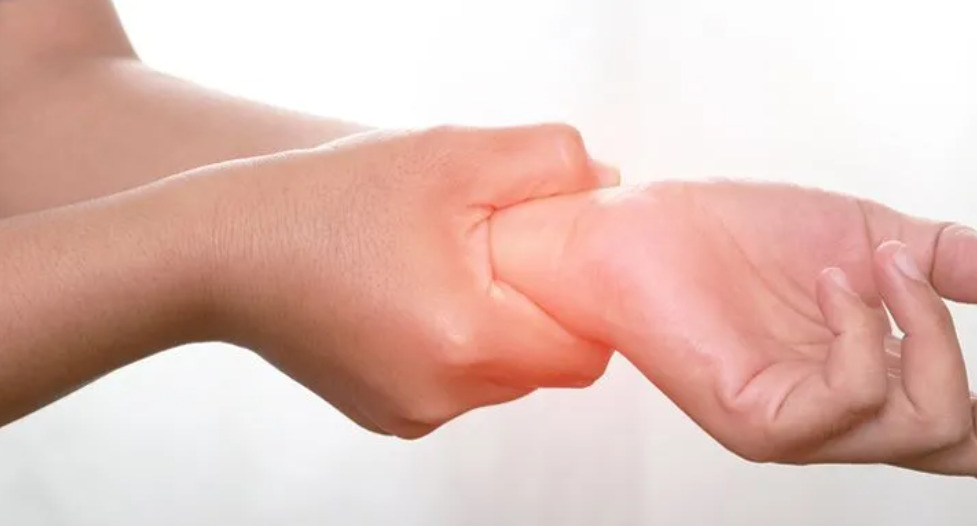
Wrist & Fingers Conditions

Wrist and finger pain can significantly impact your daily activities, from simple tasks like typing and gripping objects to complex movements required for work or hobbies. These intricate structures contain numerous bones, joints, tendons, and nerves working together, making them vulnerable to various conditions. If you’re experiencing persistent discomfort, stiffness, or reduced function in your wrist or fingers, understanding the underlying cause is crucial for effective treatment. Our orthopaedic surgeon specialises in diagnosing and treating the full spectrum of wrist and finger conditions, helping patients regain comfort and functionality.

doctor img
Dr Zackary Chua

MBBS (Aus) MMed (SG) MRCS (Glasgow) FRCSEd (Orth)

17 Wrist & Fingers Conditions

What are Wrist & Finger Conditions?

Wrist and finger conditions encompass a range of disorders affecting the complex anatomy of the hand. The wrist contains eight small carpal bones, while each finger has three bones (phalanges), and the thumb has two. These structures work with an intricate network of tendons, ligaments, nerves, and blood vessels. Common conditions include inflammatory disorders like arthritis, nerve compression syndromes such as carpal tunnel syndrome, tendon problems, and traumatic injuries. In Singapore, these conditions affect approximately 15-20% of adults, with higher prevalence among office workers, manual labourers, and older adults. The interconnected nature of hand anatomy means problems in one area often affect overall hand function.

Types of Wrist & Finger Conditions

Nerve Compression Disorders

Carpal tunnel syndrome occurs when the median nerve becomes compressed as it passes through the wrist. Cubital tunnel syndrome affects the ulnar nerve at the elbow but causes symptoms in the ring and little fingers. These conditions typically develop gradually and worsen without treatment.

Inflammatory Conditions

Rheumatoid arthritis causes joint inflammation and can severely affect the small joints of the fingers and wrist. Osteoarthritis results from wear and tear, commonly affecting the thumb base and finger joints. De Quervain’s tenosynovitis specifically affects the thumb tendons.

Tendon Disorders

Trigger finger occurs when finger tendons become inflamed, causing catching or locking. Mallet finger results from tendon rupture at the fingertip. Boutonniere deformity affects the middle joint of the finger due to tendon injury.

Traumatic Injuries

Fractures of the wrist (including scaphoid fractures) and finger bones are common. Ligament injuries, such as gamekeeper’s thumb, affect joint stability. Tendon lacerations require prompt surgical repair to restore function.

Degenerative Conditions

Dupuytren’s contracture causes progressive finger contracture due to fascial thickening. Ganglion cysts are fluid-filled swellings that commonly occur around the wrist. These conditions often develop slowly over years.

Causes & Risk Factors

Causes

  • Repetitive strain: Continuous typing, gripping, or vibrating tool use
  • Direct trauma: Falls, sports injuries, or crushing injuries
  • Inflammatory diseases: Autoimmune conditions affecting joint health
  • Degenerative changes: Natural ageing process affecting cartilage and tendons
  • Anatomical variations: Naturally narrow carpal tunnel or other structural differences
  • Metabolic conditions: Diabetes, thyroid disorders affecting nerve and tissue health

Risk Factors

  • Occupation: Jobs requiring repetitive hand movements or forceful gripping
  • Age: Increased risk after age 40 for most degenerative conditions
  • Gender: Women have higher rates of carpal tunnel syndrome and rheumatoid arthritis
  • Previous injuries: Past fractures or sprains increase future problem risk
  • Family history: Genetic predisposition to certain conditions
  • Lifestyle factors: Smoking, obesity, and sedentary behaviour
  • Medical conditions: Diabetes, hypothyroidism, and kidney disease
  • Pregnancy: Temporary increased risk due to fluid retention

Signs & Symptoms

Mild Symptoms

  • Occasional aching or discomfort in the wrist or fingers
  • Morning stiffness lasting less than 30 minutes
  • Mild swelling after activity
  • Slight weakness when gripping objects
  • Intermittent tingling or numbness
  • Minor clicking or popping sounds
  • Fatigue in hands after prolonged use

Moderate Symptoms

  • Persistent pain affecting daily activities
  • Visible swelling or joint deformity
  • Difficulty with fine motor tasks
  • Dropping objects frequently
  • Night pain disrupting sleep
  • Reduced grip strength measurably
  • Stiffness lasting over an hour
  • Temperature sensitivity in fingers

Severe Symptoms

  • Constant, severe pain unrelieved by rest
  • Complete inability to bend or straighten fingers
  • Visible muscle wasting in the hand
  • Total numbness or loss of sensation
  • Fingers locked in a bent position
  • Severe deformity affecting function
  • Open wounds or signs of infection

Symptoms often develop gradually over months or years, though traumatic injuries cause immediate pain and dysfunction. Many conditions worsen progressively without treatment, making early intervention important for preventing permanent damage.

Experiencing these symptoms? Don’t wait for them to worsen.

Schedule a consultation with our orthopaedic surgeon for an accurate diagnosis and personalised treatment plan.

When to See a Doctor

Seek immediate medical attention if you experience sudden, severe pain, obvious deformity, or complete loss of movement following an injury. These symptoms may indicate fractures or serious ligament damage requiring urgent treatment. Any signs of infection, such as increasing redness, warmth, fever, or pus, require prompt evaluation.

Schedule a consultation if you notice persistent symptoms lasting more than two weeks despite rest and over-the-counter pain relief. Progressive weakness, numbness that doesn’t improve, or pain that interferes with sleep warrants professional assessment. Early morning stiffness lasting over an hour or difficulty performing routine tasks signals the need for evaluation.

During your first consultation, our orthopaedic surgeon will conduct a comprehensive examination, including detailed history-taking, physical assessment of movement and strength, and specific diagnostic tests. Digital imaging may be recommended to visualise bone and joint structures. This thorough evaluation ensures accurate diagnosis and appropriate treatment planning tailored to your specific condition and lifestyle needs.

Diagnosis & Testing Methods

Physical examination forms the foundation of diagnosis, involving assessment of range of motion, strength testing, and specific provocative tests for various conditions. Our orthopaedic surgeon performs specialised manoeuvres to identify specific problems, such as Tinel’s test for nerve compression or Finkelstein’s test for De Quervain’s tenosynovitis.

X-rays provide clear images of bone structures, revealing fractures, arthritis, or abnormal bone growths. These are typically the first imaging studies performed and can be done immediately in the clinic. Special views may be needed to visualise specific bones or joints clearly.

Ultrasound imaging allows real-time visualisation of soft tissues, including tendons, nerves, and fluid collections. This non-invasive test helps diagnose tendon tears, nerve compression, and guides injection procedures. MRI scanning provides detailed images of all structures when complex problems are suspected.

Nerve conduction studies measure electrical signals in nerves, helping diagnose and locate nerve compression. These tests determine the severity of conditions like carpal tunnel syndrome. Blood tests may be ordered to check for inflammatory markers or underlying metabolic conditions. Results are typically available within days, allowing prompt treatment initiation.

Treatment Options Overview

Conservative Management

Physical therapy and occupational therapy form the cornerstone of non-surgical treatment. Therapists design specific exercise programmes to improve strength, flexibility, and function while teaching joint protection techniques. Hand therapy may include manual techniques, modalities like ultrasound, and custom splint fabrication.

Splinting and Bracing

Custom-made or prefabricated splints provide rest and support for inflamed structures. Night splints keep the wrist in a neutral position for carpal tunnel syndrome. Finger splints stabilise joints affected by arthritis or injury. These devices are worn according to specific protocols depending on the condition being treated.

Oral Medications

Anti-inflammatory medications reduce pain and swelling in arthritic conditions. Specific medications for rheumatoid arthritis modify disease progression. Nerve pain medications help with compression syndromes. Our orthopaedic surgeon prescribes appropriate medications based on your specific diagnosis and medical history.

Injection Therapies

Corticosteroid injections provide targeted anti-inflammatory effects directly to affected areas. These injections can provide relief lasting weeks to months for conditions like trigger finger or De Quervain’s tenosynovitis. Hyaluronic acid injections may benefit certain types of arthritis. Platelet-rich plasma (PRP) injections use your body’s healing factors to promote tissue repair.

Minimally Invasive Procedures

Percutaneous release techniques treat trigger finger through a small needle puncture. Needle aspiration removes fluid from ganglion cysts. These procedures are performed under local anaesthesia in the clinic setting with minimal downtime.

Arthroscopic Surgery

Wrist arthroscopy uses tiny cameras and instruments inserted through small incisions. This technique allows diagnosis and treatment of ligament tears, removal of loose bodies, and debridement of damaged cartilage. Recovery is typically faster than open surgery with less scarring.

Open Surgical Procedures

Carpal tunnel release decompresses the median nerve through a small palmar incision. Tendon repairs reconnect torn or severed tendons using specialised suturing techniques. Fracture fixation uses plates, screws, or wires to stabilise broken bones. Joint replacement or fusion may be necessary for severe arthritis. Dupuytren’s fasciectomy removes thickened tissue causing finger contractures.

Every patient’s condition is unique.

Our orthopaedic surgeon will assess your specific situation and recommend the most suitable treatment approach for you.

Complications if Left Untreated

Untreated wrist and finger conditions often lead to progressive functional loss. Nerve compression syndromes can result in permanent nerve damage with irreversible numbness and muscle wasting. This affects fine motor control and sensation, impacting quality of life significantly.

Inflammatory conditions like arthritis cause progressive joint damage when left untreated. Cartilage destruction leads to bone-on-bone contact, causing severe pain and deformity. Joint fusion may occur naturally in severe cases, eliminating movement. These changes cannot be reversed once established.

Tendon disorders without treatment may progress to rupture, requiring complex surgical reconstruction. Chronic inflammation causes adhesions, limiting movement permanently. Trigger fingers can become fixed in bent positions. Chronic pain often leads to compensatory problems in other joints, widespread dysfunction, and psychological effects, including depression and anxiety from ongoing disability.

Prevention

Workplace ergonomics play a crucial role in preventing repetitive strain injuries. Maintain neutral wrist positions during computer use with proper keyboard and mouse placement. Take regular breaks every hour to stretch and rest your hands. Use ergonomic tools designed to reduce strain on joints and tendons.

Regular hand exercises maintain flexibility and strength. Perform gentle stretching of fingers and wrists throughout the day. Strengthening exercises using therapy putty or rubber bands help maintain muscle balance. Proper warm-up before sports or manual activities reduces injury risk.

Lifestyle modifications support overall joint health. Maintain a healthy body weight to reduce joint stress. Stop smoking as it impairs blood flow and healing. Control underlying conditions like diabetes through proper management. Wear protective gear during sports or high-risk activities. Early attention to minor symptoms prevents progression to chronic conditions requiring extensive treatment.

Frequently Asked Questions

How do I know if my wrist pain is carpal tunnel syndrome or something else?

Carpal tunnel syndrome typically causes numbness and tingling in the thumb, index, and middle fingers, often worse at night. Pain may radiate up the forearm. Other conditions cause different patterns of symptoms. Our orthopaedic surgeon performs specific tests to differentiate between various conditions. Nerve conduction studies can confirm a carpal tunnel syndrome diagnosis. Many conditions mimic carpal tunnel symptoms, making professional evaluation important for accurate diagnosis and appropriate treatment.

Can trigger finger resolve without surgery?

Early-stage trigger finger often responds well to conservative treatment. Splinting, activity modification, and anti-inflammatory medications help many patients. Corticosteroid injections successfully treat moderate cases, with studies showing 50-70% improvement after one injection. Severe cases with fixed contracture typically require surgical release. Factors affecting non-surgical success include duration of symptoms, severity, and number of affected fingers. Our orthopaedic surgeon evaluates each case individually to recommend the most appropriate treatment approach.

 

How long does recovery take after wrist or finger surgery?

Recovery time varies significantly depending on the specific procedure performed. Carpal tunnel release typically allows light use within days, with full recovery in 6-12 weeks. Tendon repairs require strict immobilisation for 4-6 weeks followed by gradual mobilisation over several months. Fracture healing takes 6-8 weeks for bones to unite, with additional time for strength recovery. Arthroscopic procedures generally have a faster recovery than open surgeries. Our orthopaedic surgeon provides detailed recovery timelines based on your specific procedure and individual healing factors.


Is it normal for fingers to feel stiff in the morning?

Mild morning stiffness lasting a few minutes can be normal, especially with ageing. Stiffness persisting over 30 minutes often indicates inflammatory conditions like arthritis. The location, duration, and associated symptoms help determine the cause. Osteoarthritis typically causes brief stiffness, while rheumatoid arthritis causes prolonged morning stiffness. Associated swelling, warmth, or pain suggests active inflammation requiring evaluation. Keep a symptom diary, noting stiffness duration and triggering factors to discuss during consultation.

Can I prevent arthritis in my hands and fingers?

While some arthritis risk factors like age and genetics cannot be modified, several preventive measures help reduce risk. Maintain a healthy weight to reduce joint stress. Avoid repetitive forceful gripping when possible. Perform regular range-of-motion exercises to maintain joint flexibility. Protect joints from injury through proper technique and protective equipment. Early treatment of injuries prevents post-traumatic arthritis. Managing systemic conditions like diabetes also reduces arthritis risk. Though prevention isn’t always possible, these measures significantly reduce risk and slow progression.

When should I consider surgery for my wrist or finger condition?

Surgery is typically considered when conservative treatments fail to provide adequate relief after 3-6 months, or when there’s evidence of progressive nerve or tendon damage. Severe pain limiting daily function, fixed deformities, or complete loss of movement may require earlier surgical intervention. Our orthopaedic surgeon discusses surgical options when appropriate, considering your symptoms, functional goals, and overall health. The decision involves weighing potential benefits against surgical risks. Many conditions have positive surgical outcomes when performed at the appropriate time.

Conclusion

Wrist and finger conditions significantly impact daily life, but effective treatments are available for virtually every condition. Early diagnosis and appropriate intervention prevent progression and preserve hand function. Whether your symptoms are mild or severe, professional evaluation ensures accurate diagnosis and optimal treatment selection.

Our orthopaedic surgeon combines years of experience with current treatment techniques to provide comprehensive care for all wrist and finger conditions. From conservative management to surgical procedures, we offer the full spectrum of treatment options tailored to your specific needs and goals.

Take the First Step Towards Better Health

Living with wrist and finger pain can be challenging, but you don’t have to face it alone. Our orthopaedic surgeon has experience diagnosing and treating wrist and finger conditions using evidence-based approaches.

Dr Zackary Chua 1

Dr Zackary Chua (蔡克祥医生)

MBBS (AUS)|MMed (Singapore)|MRCS (Glasgow)|FRCSEd (Orth)

A senior consultant orthopaedic surgeon with dual specialisations in Foot & Ankle Surgery and Paediatric Orthopaedics. Backed by his extensive years of training and experience, Dr Chua brings the necessary knowledge and skills to ensure a smooth recovery journey.

Rooted firmly by two fundamental philosophies: “When one’s feet hurt, one hurts all over” and “Children are not little adults”, Dr Chua’s approach to patient care reflects his compassionate care for adults and children.

  • Singhealth Quality Excellence Award – Silver (2011)
  • Service From the Heart Award (2021)
  • Singapore Health Quality Service Award – Gold (2023)
  • NUS Medicine Dean’s Award for Teaching Excellence (2023)

His active participation in the medical community extends to mentoring, research supervision, and contributions to key professional forums and symposiums, both locally and internationally.

Your Treatment Roadmap

Registration

Our friendly clinical staff will assist you with your registration, ensuring an efficient and hassle-free process for you.

Specialist Consultation

During your consultation, we will evaluate your medical history and the pain you are experiencing. You may also ask questions about your condition.

Diagnosis Of Your Condition

We will likely perform some form of diagnostic imaging (e.g. X-Rays, MRI) to assess your condition accurately.

individualised Treatment Plan

After imaging, we will review the results of your scans thoroughly, and advise an individualised treatment plan for you.

Follow-Up Visits

As you go through your treatment plan, we will follow up with you every step of the way, ensuring that you receive the dedicated care you deserve.

Billing & Insurance

Integrated Shield Plans & Corporate Insurance

For Singaporeans, Singapore Permanent Residents and Foreigners.
Please speak to our friendly clinic staff about using your insurance plans.

Make An Enquiry

Got a Question? Fill up the form and we will get back to you shortly.

    Full Name*

    Email Address*

    Phone Number*

    Your Message*

    For Faster Response, Call us!

    +65‎ 6956‎ 6588


    Our Locations

    Mount Elizabeth Novena Specialist Centre
    38 Irrawaddy Road, #05-36, Singapore 329563

    +65 6956 6588 (Clinic)
    +65 8877 3318 (Whatsapp)
    Monday – Friday: 9am – 5pm
    Saturday: 9am – 12:30pm
    Sunday & PH: Closed
    (Parkway East Clinic is on appointment basis)

    Parkway East Medical Centre
    319 Joo Chiat Place, #03-06, Singapore 427989

    +65 6956 6588 (Clinic)
    +65 8877 3318 (Whatsapp)
    Monday – Friday: 9am – 5pm
    Saturday: 9am – 12:30pm
    Sunday & PH: Closed
    (Parkway East Clinic is on appointment basis)